Luxury used to be relatively easy to recognise. A prestigious name. A significant price tag. A first-class cabin. A five-star hotel. A watch that immediately announced itself across the room.
Those things can still be luxurious. But in 2026, they no longer tell the whole story.
Across fashion, hospitality, property, travel and personal luxury, the definition is becoming broader, and considerably more personal.
Time matters. Privacy matters. Craftsmanship matters. Experiences increasingly compete with possessions for attention. Personal service feels more valuable in an increasingly automated world. And exclusivity is becoming less about simply owning something expensive and more about having access to something that feels difficult to replicate.
Modern luxury is becoming less about how much something costs and more about what it gives you.
Love Lux Life
At a Glance: What Defines Modern Luxury in 2026?
- Time: Removing friction and giving us more control over how we spend it.
- Privacy: Space, discretion and freedom from constant visibility.
- Personalisation & Service: Experiences shaped around the individual, with human judgement, anticipation and genuine attention.
- Access: Opportunities, places and experiences that cannot simply be bought from a shelf.
- Craftsmanship & Longevity: Quality, skill and attention to detail, with a preference for things that remain relevant, useful or beautiful for longer.
- Experience: Memories and moments increasingly competing with possessions for luxury spend.
- Wellbeing: Sleep, health, space, nature and feeling better rather than simply looking successful.
- Scarcity: Not manufactured shortage, but things that are genuinely difficult to reproduce.
Luxury Is No Longer Defined by Price Alone
Price has always been part of luxury.
Rare materials cost more. Skilled labour costs more. Exceptional locations cost more. Producing something slowly and beautifully often costs considerably more than producing it at scale.
But an expensive price tag does not automatically create luxury. That distinction is becoming increasingly important.
After years of rising prices across the personal luxury market, consumers have become more questioning about what those prices actually represent. Industry research has pointed towards renewed scrutiny of quality, craftsmanship, exclusivity and the overall experience surrounding a purchase.
The question is no longer simply, Is it expensive? It is increasingly, Is it worth it? And those are two very different things.
Time May Be the Ultimate Luxury
Time is finite. That alone gives it a value that even the rarest material cannot quite replicate.
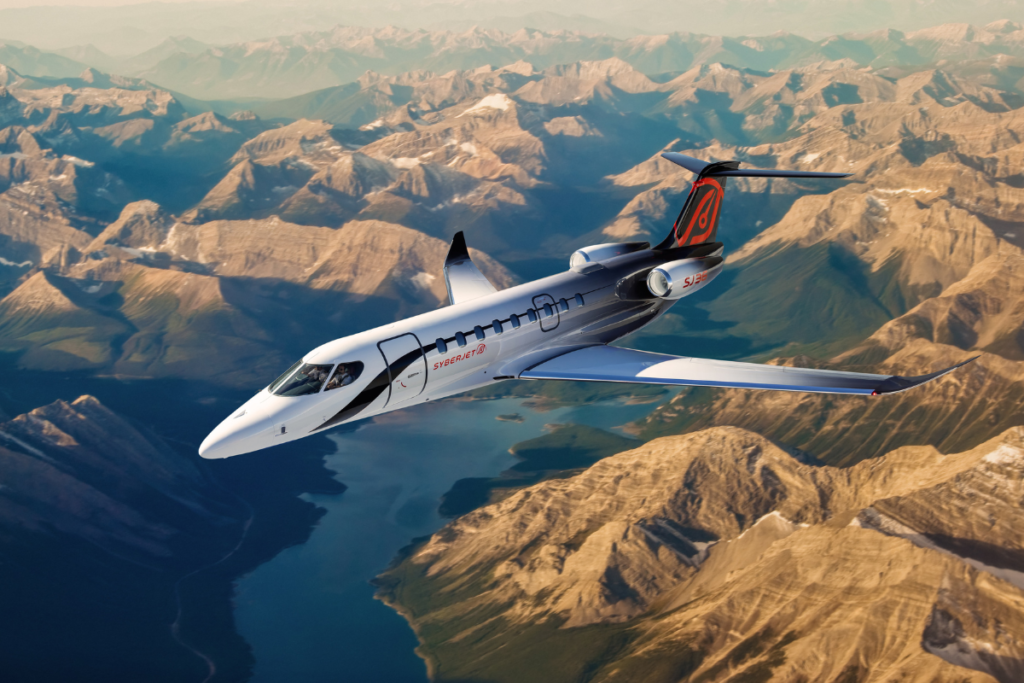
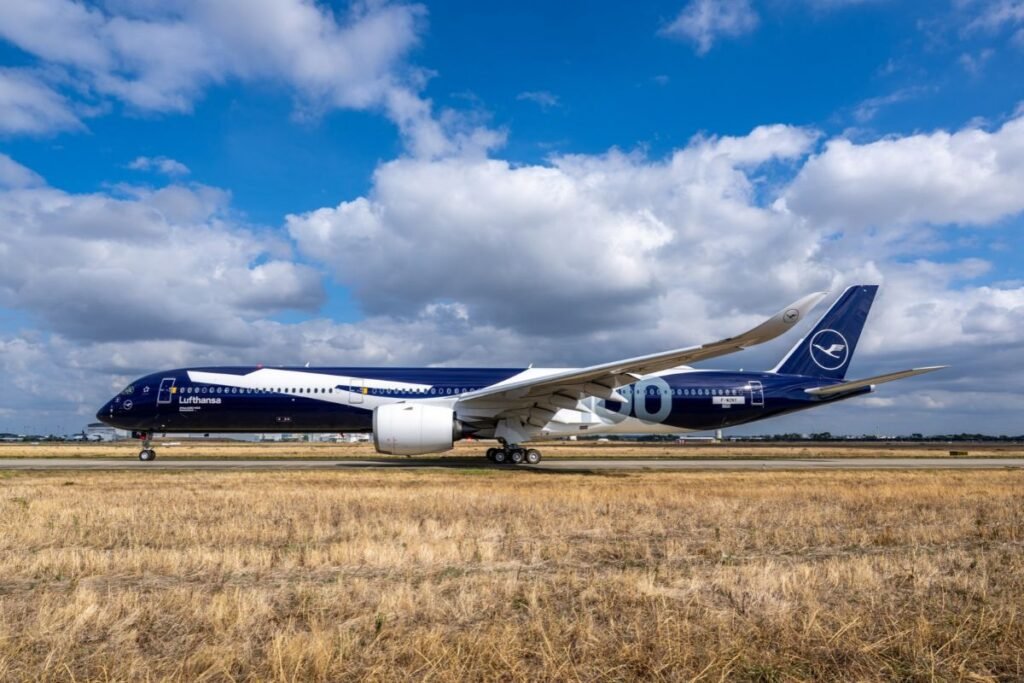
Private aviation illustrates this particularly well. The appeal is not simply a more luxurious cabin. It is the ability to choose when to leave, reduce time spent in terminals, reach airports closer to the final destination and regain hours that would otherwise disappear into the journey.
But the same principle appears elsewhere.
- A concierge who solves a problem before you have to think about it.
- A hotel where check-in takes seconds rather than twenty minutes.
- A home that can be managed effortlessly.
- A restaurant that remembers how you prefer to dine.
- Technology that removes repetitive tasks rather than creating more of them.
Modern luxury often means buying back control over your time.
That may be why experiences such as travel and wellness are increasingly competing with traditional luxury goods for discretionary spending.
Privacy Has Become Something to Protect
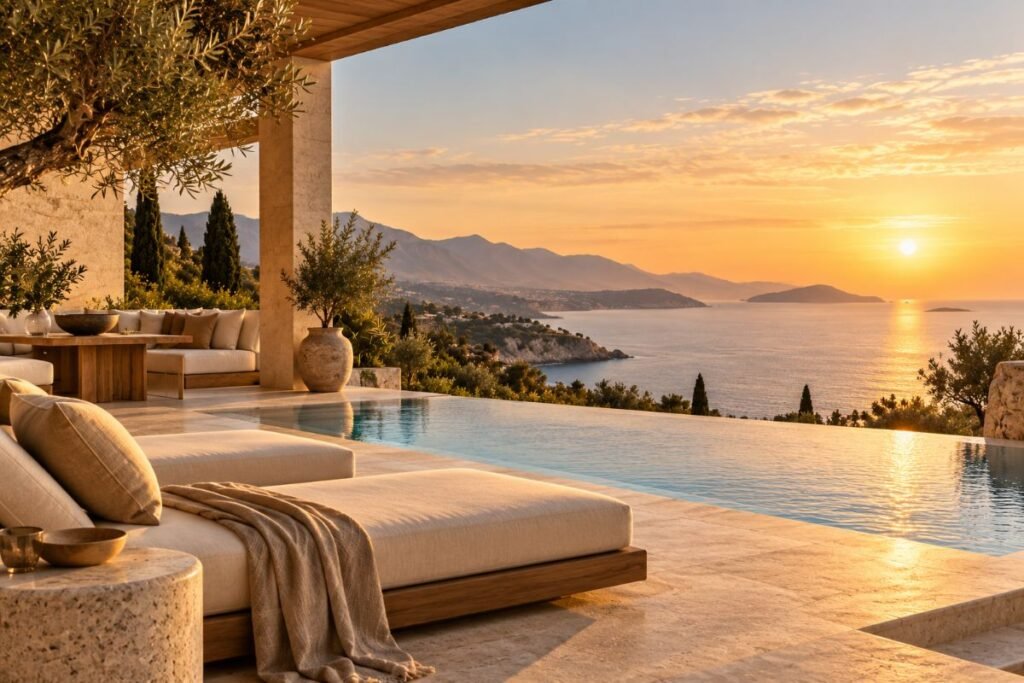
Luxury once revolved heavily around visibility, the right car, the recognisable bag, the table everyone wanted to be seen at. Those signals have not disappeared, but there is another luxury running almost in the opposite direction. The ability not to be seen at all.
- A secluded villa.
- A private dining room.
- A hotel entrance away from the lobby.
- A home that is not overlooked.
- A members’ space without crowds.
- An appointment where there is no queue and no rush.
Privacy is particularly interesting because it cannot always be added afterwards. It has to be designed into an experience. It becomes room to experience something on your own terms.
Personalisation Has Replaced the One-Size-Fits-All Version of Luxury
There is something inherently contradictory about paying for an exceptional experience only to receive exactly the same one as everybody else. Modern luxury increasingly addresses that.
- A hotel knowing which room you prefer.
- A tailor remembering how something should fit.
- A jeweller understanding the pieces you already own before suggesting another.
- A restaurant adapting an experience around the person rather than forcing the person into the experience.
Technology can help make this possible. But interestingly, the more sophisticated technology becomes, the more valuable human judgement can feel. The future of luxury may be highly technological behind the scenes while remaining remarkably human at the point of experience.
Experiences Are Becoming as Important as Objects
There will always be pleasure in owning something beautiful.
- A watch can mark a milestone.
- Jewellery can become part of a family story.
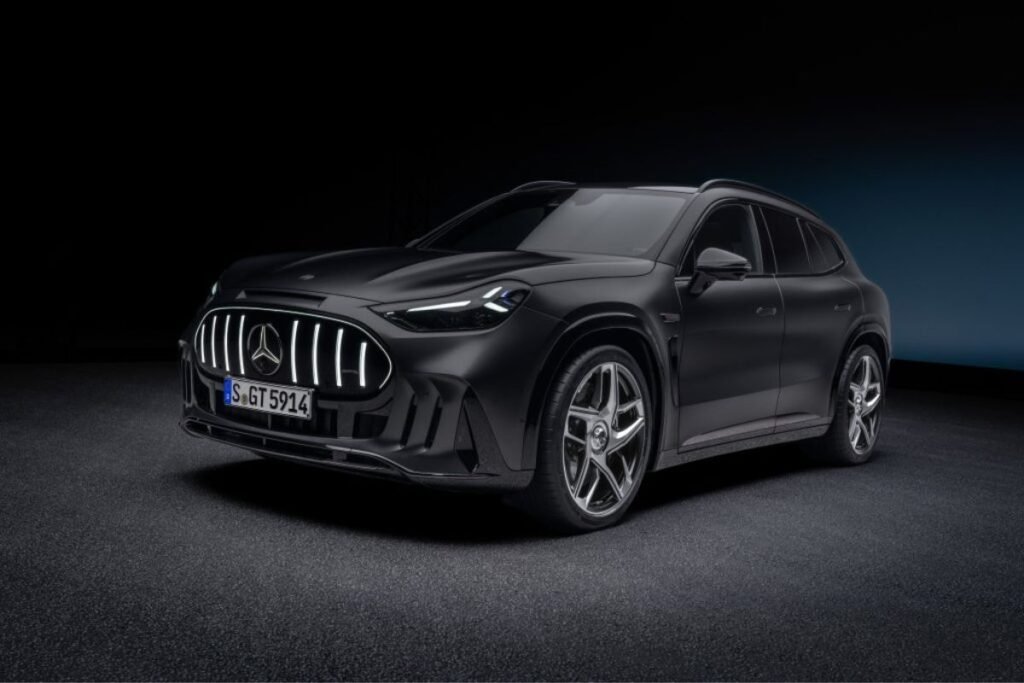
- A car can deliver an experience every time it is driven.
- A home can shape decades of daily life.
But luxury spending increasingly competes with something that cannot be placed in a display cabinet:
- Experience.
- Travel.
- Restaurants.
- Wellness.
- Events.
- Private access.
- Culture.
- Adventure.
That’ does not’s not to say that possessions have become irrelevant, it means the most compelling ones often carry an experience with them.
- The watch bought in Geneva.
- The jewellery commissioned for an anniversary.
- The car collected directly from the factory.
- The artwork discovered while travelling.
The object remains. But the story around it becomes part of its value.
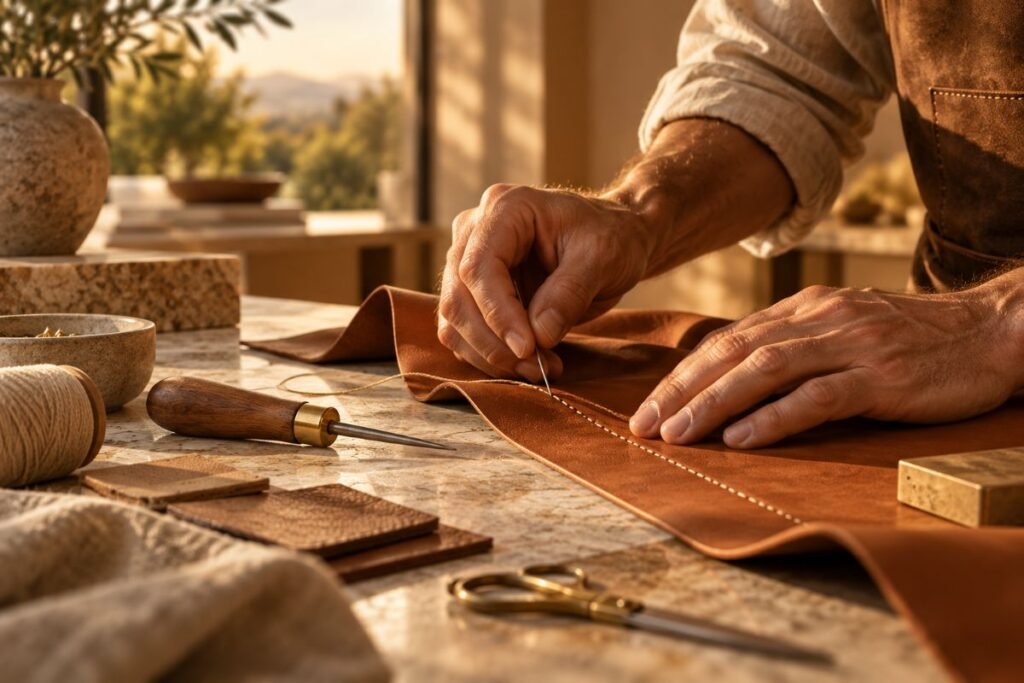
Craftsmanship Matters More When Everything Else Can Be Replicated
We live in an age in which almost anything can be produced quickly. That makes slowness interesting.
- A hand-finished movement.
- Cabinetry built specifically for one room.
- Stone selected and matched rather than simply installed.
- A suit adjusted repeatedly until the proportions are right.
- A piece of jewellery made by someone whose skill took years to acquire.
Craftsmanship creates distinction because it resists complete standardisation. And importantly, it often reveals itself gradually. The best craftsmanship may not be the first thing you notice. It is the thing you continue noticing months or years later.
This is one reason the underlying quality of luxury goods has come back into focus.
Wellbeing Is Moving From Indulgence to Infrastructure
A spa treatment is luxurious. Sleeping well every night may be more so.
The luxury wellness market is moving beyond occasional pampering towards the way everyday environments affect health, energy and longevity.
- We see it in homes designed around natural light, air quality and acoustics.
- Hotels increasingly offering sleep programmes, nutritional support and more sophisticated wellness facilities.
- Private clubs centred as much around health as socialising.
- Travel designed around restoration rather than simply escape.
Knight Frank’s 2026 luxury residential research describes wellness shifting from an amenity to part of the underlying infrastructure of luxury living.
This may be one of the clearest changes in modern luxury. Looking successful is no longer enough. Increasingly, people want luxury to help them feel better too.
Access Can Be More Valuable Than Ownership
Some of the most desirable things cannot simply be purchased in the conventional sense.
- A table that is almost impossible to book.
- Private access to an exhibition.
- A members’ club.
- An invitation-only event.
- A property in a location where almost nothing comes to market.
- An introduction to the right craftsperson.
- The opportunity to commission something entirely individual.
This is luxury through access rather than possession.
TIs the relationship changing between money and luxury? Money can open doors. But the most interesting forms of access are often created through relationships, trust, knowledge or timing.
Scarcity Still Matters, But It Needs to Be Real
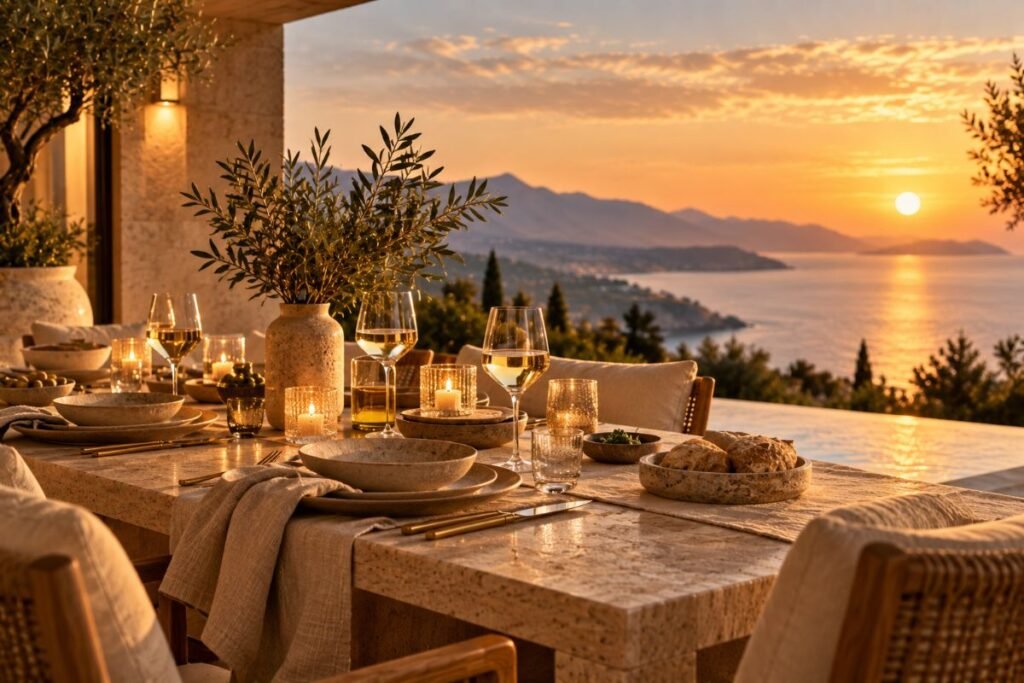
Luxury has always relied upon scarcity. The problem is that scarcity can be manufactured. A limited edition can be genuinely difficult to produce. It can also simply be a normal product made in an artificially smaller quantity. Modern luxury consumers are increasingly capable of recognising the difference. Genuine scarcity might be:
- An exceptional location.
- An artisan who can only produce a small number of pieces.
- A historic property.
- An increasingly rare skill.
- A mature landscape.
- A unique material.
- A level of service dependent on years of experience.
The things that are hardest to copy are often becoming the most valuable.
Technology Should Make Luxury Feel Simpler, Not More Complicated
Luxury and technology have an uneasy relationship. People expect the best technology and they rarely want to spend their time thinking about it. The most successful technology in a luxury experience often disappears and becomes the most luxurious when it eliminates friction
- A hotel knows you are arriving.
- A car adjusts itself automatically.
- A home reaches the right temperature.
- A reservation appears without several phone calls.
- A purchase arrives exactly when expected.
Artificial intelligence will undoubtedly play an increasing role in creating those experiences. But current research suggests consumers still value the human relationship at precisely the moments where trust, reassurance and judgement matter most.
Perhaps the ideal is not technology instead of people. It is technology allowing people to provide better service.
Quiet Luxury Was Never Really About Beige
The phrase quiet luxury became shorthand for understated clothing, muted colours and the absence of obvious logos. But the more interesting idea underneath it extends much further. Something does not need to announce its price to be exceptional.
- A beautifully restored house.
- An impeccably made coat.
- A watch whose most impressive finishing sits behind the caseback.
- A hotel where the service feels effortless.
- A restaurant using extraordinary ingredients without turning dinner into theatre.
Quiet luxury is not simply an aesthetic. At its best, it is confidence without explanation and perhaps that is why it has resonated. When luxury becomes too easy to imitate visually, the substance underneath becomes more important.
Modern Luxury Is Becoming More Personal
There may ultimately be no single definition of luxury in 2026.
- For one person, it is travelling privately.
- For another, it is switching their phone off for an entire weekend.
- It might be a rare watch.
- Or breakfast overlooking a completely empty landscape.
- A bespoke suit.
- A home with enough land that nobody can see into the garden.
- A tasting menu.
- A handmade dining table.
- Having someone else organise everything.
- Or simply having nowhere you need to be.
This increasing subjectivity is not a weakness in the definition of luxury. It may be the point. The less luxury is about demonstrating something to everybody else, the more it can become about understanding what actually matters to you.
Frequently Asked Questions
The Love Lux Life View

Luxury has never really been one thing, but in 2026, the most interesting forms of it seem to share a common characteristic: they give something back for example; time, privacy, health, knowledge, memories, connection, ease.
A beautifully made object can still be luxurious. So can an extraordinary hotel, exceptional home or perfectly executed meal. But the price tag is increasingly only the beginning of the conversation.
For Love Lux Life, modern luxury is less about possessing everything and more about being selective enough to recognise what is genuinely worth having.
Sometimes that will be something rare, beautifully made, or completely unforgettable. And sometimes, the greatest luxury may simply be having more control over how you live.
Image note: Images in this article are for illustrative purposes and were created for Love Lux Life using generative AI.
Read more Luxury Lifestyle news with Love Lux Life